
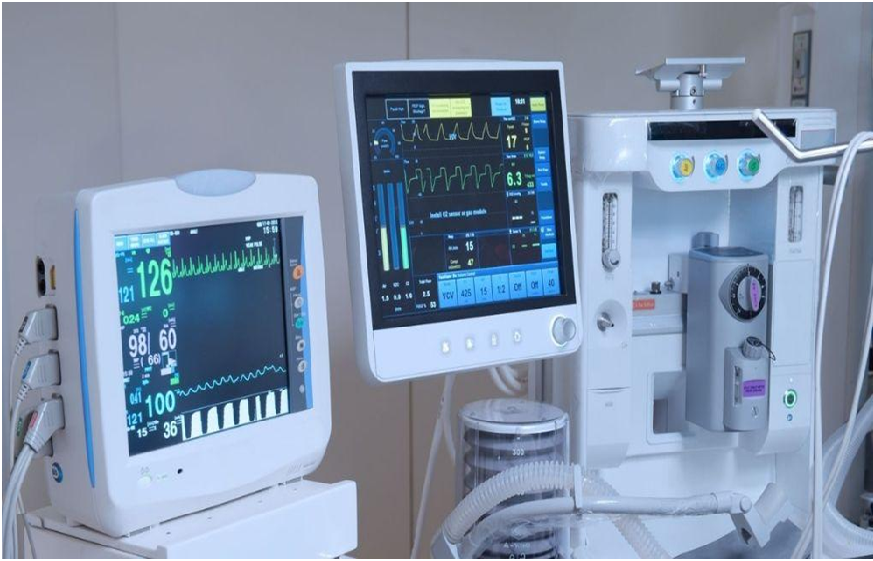
Hospitals, clinics, and specialist care providers rely on more than medical expertise to deliver safe and efficient treatment, which is nice in theory, but in practice. They also need dependable access to the right goods, practical supplier support, and equipment that actually meets real clinical demands. If product availability is inconsistent or somehow mismatched to patient needs, the outcome can be delayed procedures, staff frustration, and avoidable operational pressure, all of which can snowball really fast.
Solid supply systems help healthcare teams work with more confidence. From everyday consumables to specialised devices used in complicated procedures, distribution influences how smoothly care gets delivered. A dependable supplier doesn’t only transport products from one place to another. They help healthcare providers keep continuity, strengthen planning, and make safer choices across different clinical departments, sometimes even when workflows shift.
Medical Device Planning Strengthens Clinical Flow
Reliable medical device distribution gives healthcare facilities the structure they need to handle products across departments without it feeling like everything is slipping out of place. Hospitals and clinics usually require a wide range of items, from everyday medical supplies to more advanced procedural devices. When the entire distribution is organised promptly and supported by real product knowledge, teams can focus more on patient care rather than constantly dealing with supply uncertainty that keeps popping up.
Also, good planning helps cut down those hidden inefficiencies that are hard to notice. If products show up late, the information is vague, or the items don’t actually fit the clinical requirements, staff often end up spending extra time sorting out problems that should never have happened. A stronger distribution approach takes demand patterns seriously, considers storage needs, plans replacement timing, and listens to user expectations. That results in a steadier care environment, where clinical teams can do their work with fewer interruptions, not more.
Reliable Supply Access Supports Hospital Performance
Hospitals end up dealing with massive patient flow, sudden emergencies, and a bunch of departments moving in parallel, so their supply needs get kind of intricate and really time-sensitive. A good distribution partner makes it easier to maintain access to essential products, so staff can stay focused on diagnosis, treatment, monitoring, and recovery support without constantly being slowed down by items that are missing or just not a good fit.
This sort of reliability is the key, especially when hospitals are juggling everyday care with that very unpredictable demand. Emergency admissions, planned operations, specialist procedures, and outpatient services all depend on whether product readiness is in place. If access to supply remains dependable, then procurement teams can map things out much more accurately, clinical teams can function with more rhythm, and patients end up getting a calmer, more organised care experience.
Clinic Supply Systems Improve Daily Efficiency
Clinics can be smaller than hospitals, but the day-to-day operational stuff is still intense. A lot of times, they run on tight timetables, not much actual storage room, and there is a real push for quicker patient turnover. Having strong medical supply support really counts here, because clinics can keep important items at hand, while also dodging unnecessary overstock, avoiding product handling mix-ups, or the kind of last minute ordering that can throw appointments off track.
At the same time, a well tuned clinic supply setup often boosts patient confidence too. When staff can get rooms ready quickly, run procedures properly, and maintain professional standards, the care experience feels a bit more coordinated, as if it happens on its own, almost effortless. Patients might not notice the supply chain straight away, but they will feel it in practice through shorter waits, calmer conversations, and support that seems well-managed from the first moment to the final one.
Specialist Care Requires Product Precision
Specialist departments need more than just general supply support because their procedures usually involve advanced products, precise compatibility, and pretty strict handling rules. In Cardiology, vascular care, dialysis, neurovascular treatment, and interventional services, everything rides on devices that must align with specific clinical expectations. Here, a supplier’s grasp of product purpose matters just as much as having the product in stock, maybe even more in practice.
Precision also helps reduce unneeded risk. When specialist teams receive items that match their procedure type and day-to-day workflow, they can carry on with stronger confidence. On the other hand, devices that are poorly matched can slow treatment, or worse, create an avoidable fog of uncertainty. A skilled distribution partner can help healthcare providers choose suitable options, really understand the differences between products, and keep more consistent standards across complex care settings.
Endovascular Supply Supports Complex Procedures
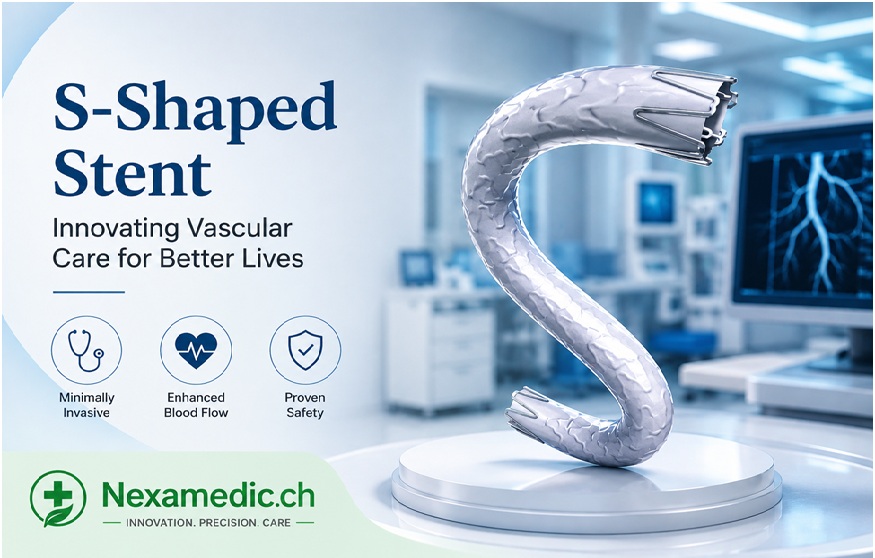
An endovascular device supplier plays a pretty vital role in supporting the teams that treat vascular conditions using minimally invasive methods. Often, these procedures depend on catheters, stents, balloons, coils and other related technologies, chosen with care. Since each case might show its own anatomical and procedural hurdles, healthcare providers really need access to products that are dependable, appropriately matched, and backed by clear practical guidance.
A dependable endovascular device supplier also assists specialist teams with preparation in a more organised way. When the right items are on hand before a procedure actually starts, clinicians can lessen uncertainty and keep everything moving at the right pace. This kind of backing matters for hospitals and specialised centres that aim to raise efficiency while also protecting patient safety during serious vascular interventions.
Endovascular Support Builds Clinical Confidence
Endovascular care can feel like it’s all about high-pressure moments, especially when people are working with narrow vessels, tricky lesions, or when there’s urgent vascular needs. A really solid Endovascular Device Supplier can make a difference by helping providers reach products that match their treatment approach and the clinical standards they rely on. In practice, that support can make it easier for teams to compare different device options, see what each application is for, and plan a bit more calmly, even when the case is specialist-level.
Clinical confidence tends to build when product quality, availability, and supplier communication fall into place together. Specialist care teams need to feel sure that their devices are dependable and that help is there when questions do show up. This doesn’t replace clinical judgement, not at all. It just strengthens the whole surroundings around that decision, so professionals can focus on care that is safe, precise, and properly patient-centred, without the extra noise.
Supplier Partnerships Create Long-Term Value
Healthcare distribution is most valuable when it somehow turns into a professional partnership instead of just a straightforward transaction. Hospitals and clinics benefit from suppliers who really grasp their aims, take in user feedback, and respond as clinical needs shift. In practice, that kind of relationship lets procurement teams decide more wisely, and it also gives medical staff more confidence in the items they end up using.
Long-term supplier partnerships end up, kind of, doing double duty, because as medical tech evolves, healthcare providers might need refreshed devices, extra training on the product, or even more tuned supply approaches. A trusted partner can assist them in sorting through exactly what they need, managing the changeovers, and limiting the risk tied to poorly planned purchasing choices. Little by little, it stacks up to safer care, steadier efficiency, and more reliable everyday medical operations.
Conclusion
Medical distribution kind of underpins healthcare quality, because it links product availability with how well clinical teams can actually perform. Hospitals, clinics, and specialist centres all tend to want dependable supplies, plus a bit more informed guidance, and equipment that actually fits what they do every day. If distribution is handled well enough, then healthcare teams can reduce waiting times, smooth out workflow, and keep a steadier confidence in the care they deliver.
Nexamedic supports healthcare providers through medical device distribution, access to niche products, and expert supply guidance for professional clinical environments. They keep quality front and centre, offer consistent service and practical help, so they become a meaningful partner for hospitals, clinics, and specialist care teams, who want stronger operational consistency while patient care stays firmly at the centre.
Frequently Asked Questions
Question: Why is medical device distribution important for hospitals?
Answer: It helps hospitals maintain access to essential products across busy departments. Reliable distribution reduces delays, supports planned and urgent care, and allows clinical teams to work with fewer supply-related interruptions. This improves daily workflow and supports safer patient treatment.
Question: How does reliable supply support help clinics?
Answer: Reliable supply support helps clinics prepare appointments, manage stock, and keep treatment areas organised. It reduces last-minute ordering problems and helps staff focus on patients rather than product shortages. This can improve efficiency, confidence, and patient experience.
Question: Why do specialist care teams need precise device support?
Answer: Specialist care often involves complex procedures where product suitability matters. Teams may need certain devices for vascular, neurovascular, cardiac, or dialysis-related care. Good, precise support helps them pick the right products and reduce uncertainty, plus maintain safer clinical standards. It kind of makes the whole process calmer, less guessy.
Question: What should healthcare providers expect from a good supplier?
Answer: A good supplier should come with dependable products, plus clear communication, practical help, and on-time delivery. They should be able to grasp clinical needs in a real way and support healthcare teams so they can make informed decisions. Not just drop off items and walk away, that kind of thing, but actually back it up with meaningful support.
Question: How can supplier partnerships improve long-term care quality?
Answer: Strong supplier partnerships can help healthcare providers plan better, choose suitable options, and adjust when clinical demands shift. Over time, that means steadier product performance, less procurement pressure, and safer, more efficient patient care, not only in one unit but across different departments too.